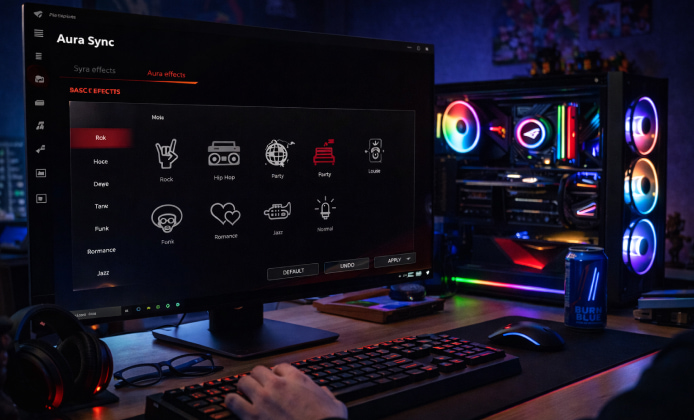
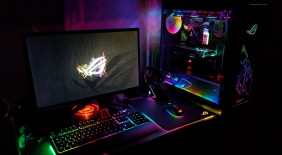
Coordinated RGB can turn a normal setup into something that feels intentional, whether you’re aiming for a calm work vibe or a full-on gaming glow. With the right planning, you can keep effects consistent across compatible components, avoid color mismatch, and switch profiles without fuss. For many builders, the Aura Sync app becomes the central place to manage that entire look.
Before you begin, it helps to do a quick inventory: motherboard model, GPU brand, RAM type, and any addressable LED strips or hubs you’ve added. A few minutes of prep can save you from chasing connection issues later, especially when different devices require different headers or firmware versions.
What the App Typically Controls
Most users focus on color and effects first, but the real benefit is consistency setting one theme and having it ripple across everything. When you’re deciding which effects to use, remember that subtle motion reads cleaner than constant strobing in bright rooms.
- Static, breathing, rainbow, and reactive effects
- Per-zone or per-device lighting (when supported by hardware)
- Profiles for gaming, work, streaming, or nighttime use
- Basic brightness tuning to reduce glare
If your lighting feels “off,” it’s often not the colors it’s inconsistent brightness between devices and uneven diffusion from strips or fans.
Getting Started the Safe Way
Try to install and configure in a clean sequence: update Windows, update chipset drivers, confirm BIOS is stable, then install the lighting software. This prevents the most common “device not detected” headaches, because many issues come from outdated system components rather than the RGB tool itself.
- Check that all RGB headers are connected correctly (ARGB vs RGB matters).
- Confirm that your components appear in the motherboard vendor’s device list, if available.
- Restart after major updates, even if Windows doesn’t demand it.
- Set one simple effect first (like static) to confirm detection and color accuracy.
Download and Install Aura Sync App
When you’re ready to install, using an official source matters more than people think, because mismatched versions can cause missing device modules or broken plugins. Many users prefer an Aura Sync app download from a vendor-hosted page to keep compatibility predictable.
In some setups, you may see multiple “utility” packages that look similar, so don’t rush the choice. If you’re comparing options, an Aura Sync download app package that matches your motherboard generation and OS build tends to behave more reliably than a random mirror.
Free Options and What Free Usually Means
RGB control software is often bundled as part of the motherboard ecosystem, so the cost is typically not the issue stability is. People searching for an Aura Sync for free app should focus on legitimacy and support rather than trying to find unofficial builds.
Likewise, if you see guides promising an Aura Sync app download for free, treat that phrasing as a reminder to double-check the source, because the best “free” option is the one tied to your hardware vendor’s update channel.
Windows 10 and PC Compatibility Tips
On older machines, background services and startup apps can pile up over time, which can interfere with device discovery. For stable results, the Aura Sync app on Windows 10 usually works best when you keep USB device drivers current and avoid stacking multiple RGB suites that compete for control.
For desktop builders, the Aura Sync app on PC experience improves when you choose one “master” controller and let everything else follow, rather than assigning separate control software to each component brand.
Quick Troubleshooting Checklist
If something doesn’t show up or effects don’t apply, try these steps in order before you reinstall anything. This sequence is designed to eliminate the most common causes first.
- Power down fully, switch off the PSU, wait 20 seconds, and reboot (helps clear controller states).
- Reseat ARGB/RGB headers and verify correct orientation.
- Update motherboard BIOS and chipset drivers from official support pages.
- Disable other lighting utilities temporarily to avoid control conflicts.
- Create a fresh profile with a single static color to confirm detection.
Recommended Profile Ideas
Once everything is detected, profiles are where the app becomes genuinely useful. Here are a few “real life” presets that tend to look good across different rooms and monitor temperatures.
| Profile | Effect | Best For | Practical Tip |
|---|---|---|---|
| Focus Mode | Static | Work and study | Use lower brightness to reduce eye fatigue. |
| Night Setup | Breathing | Late sessions | Pick warm tones to avoid harsh glare. |
| Stream Accent | Color cycle (slow) | Background ambiance | Keep transitions gentle so the camera doesn’t pump exposure. |
| Game Reactive | Reactive/Audio | Immersion | Test in a dark room first to avoid overdoing brightness. |
Best Practices for a Clean, Consistent Look
To make lighting feel “premium,” aim for harmony instead of maximum saturation. A single accent color with a secondary highlight often looks better than a full rainbow across every device.
- Match brightness levels between fans, strips, and RAM to avoid patchy intensity.
- Use diffusion (or indirect placement) for LED strips to prevent hotspots.
- Keep one fallback profile that’s calm and low-power for daily use.
- Document which headers control which zones, especially if you upgrade parts later.
Closing Thoughts
Once you treat lighting as part of your overall setup design like cable management or airflow it becomes easier to build themes that feel cohesive. Start simple, confirm device detection, then expand into profiles and effects, and you’ll end up with an RGB system that looks intentional instead of chaotic.
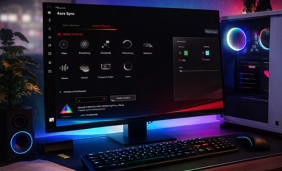 Aura Sync Install Guide: First Launch and Fixes That Actually Work
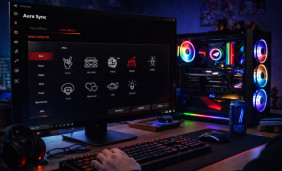 Aura Sync App: Keep Your RGB Devices Consistent and Controlled
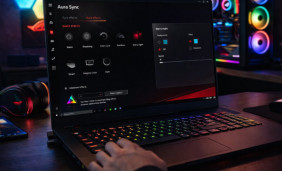 Aura Sync on Laptop: Harmonize RGB Without Conflicts
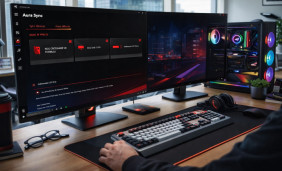 How to Get Aura Sync for Free the Right Way: Light Up Your Setup
 What Is Aura Sync and How to Use?
 Best Apps Similar to Aura Sync